



![[icon] Healthcare IT](https://asset.fujifilm.com/www/th/files/2024-08/56680c6fdbf34936593e85134920c43a/healthcare-it.svg)
![[icon] X-ray](https://asset.fujifilm.com/www/th/files/2024-08/7526d1101b64112bf22b55db55efaa57/x-ray.svg)
![[icon] Ultrasound](https://asset.fujifilm.com/www/th/files/2024-08/1dda2d2eb91f3c86fa66f03f9c819a82/ultrasound.svg)
![[icon] Endoscopy](https://asset.fujifilm.com/www/th/files/2024-08/05f6b3f71db56279cab3348b30a4ba0b/endoscopy.svg)
![[icon] In Vitro Diagnostics](https://asset.fujifilm.com/www/th/files/2024-08/9e91ed0a102839a6882a0de74d502cee/ivd.svg)
![[icon] Veterinary Medicine](https://asset.fujifilm.com/www/th/files/2024-08/6a151464d073132ebaf32502ba57c4df/veterinary.svg)
![[icon] MRI and CT](https://asset.fujifilm.com/www/th/files/2024-08/0bb04b1be5a01844c53173c0ccabe874/mri-and-ct.svg)
![[icon] Inkjet Solutions](https://asset.fujifilm.com/www/th/files/2024-08/73d9b8524c59e74c542df1f23c4f07ce/inkjet-solutions.svg)
![[icon] Office Solutions](https://asset.fujifilm.com/www/th/files/2024-08/5b47599c8e70a8fe60ffa0a98c41a514/office.svg)
![[icon] Graphic Arts & Printing](https://asset.fujifilm.com/www/th/files/2024-08/b7dca46beab06d8bdac1897bd5621c06/graphic.svg)
![[icon] Photofinishing Products](https://asset.fujifilm.com/www/th/files/2024-08/7ae7e1b29f74fc1b562542b0d7c87b2e/photofinishing.svg)
![[icon] Optical Devices](https://asset.fujifilm.com/www/th/files/2024-08/a6203f1389ec8eb7ee25055419384f25/optical-devices.svg)
![[icon] Cine & Broadcast Products](https://asset.fujifilm.com/www/th/files/2024-08/8d74351df62db4d1d4b9779ce282e709/film-and-broadcast.svg)
![[icon] Security Protections](https://asset.fujifilm.com/www/th/files/2024-08/020de2cfc6945ce00c20063e32463c2c/security.svg)
![[icon] Manufacturing Process](https://asset.fujifilm.com/www/th/files/2024-08/d84916c806eb5d08efbaa4fce95c9d15/manufacturing-process.svg)
![[icon] Inspectional Products](https://asset.fujifilm.com/www/th/files/2024-08/7a66c0f5baac60152d24f069082a63fa/inspection.svg)
![[icon] Data Management](https://asset.fujifilm.com/www/th/files/2024-08/301ac4f37d11d528a63fd6f7d050d817/data-management.svg)
![[icon] Materials](https://asset.fujifilm.com/www/th/files/2024-08/163c2f189d153cf287f7f0bcf783864c/materials.svg)


Bangkok, 2 March 2026 — FUJIFILM (Thailand) Ltd. participated as an exhibitor at APRC 2026 (the 10th Asia Pacific Region Conference of the International Union Against Tuberculosis and Lung Disease) in Bangkok from 4 to 7 February 2026, joining medical professionals, policymakers, and public health experts from across the Asia-Pacific region. The company showcased its commitment to supporting early detection of lung disease and tuberculosis through total healthcare solutions featuring AI-powered digital X-ray, bronchoscopy and an innovative urine LAM rapid test. These technologies are designed to improve access to timely screening for underserved and high-risk communities where diagnostic resources remain limited.
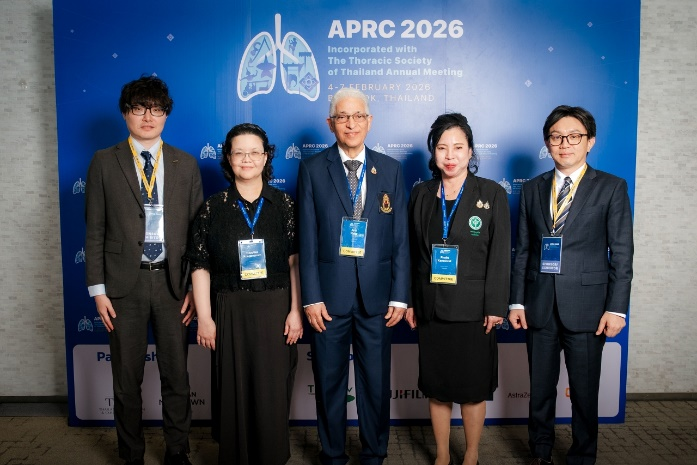
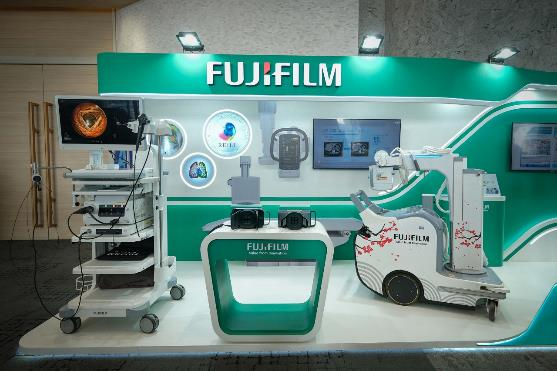
Lung disease and TB remain major public health challenges in Thailand and the Asia-Pacific region, especially among vulnerable and hard-to-reach populations. In Thailand, TB claims an average of 35 deaths per day, as reported by the Ministry of Public Health in 2024. While Lung cancer has become a silent threat, with the latest data from 2025 from Thailand's National Cancer Institute revealing an average of 41 deaths per day. Strengthening early detection is therefore critical, yet access to diagnostic imaging remains uneven across urban and rural settings.
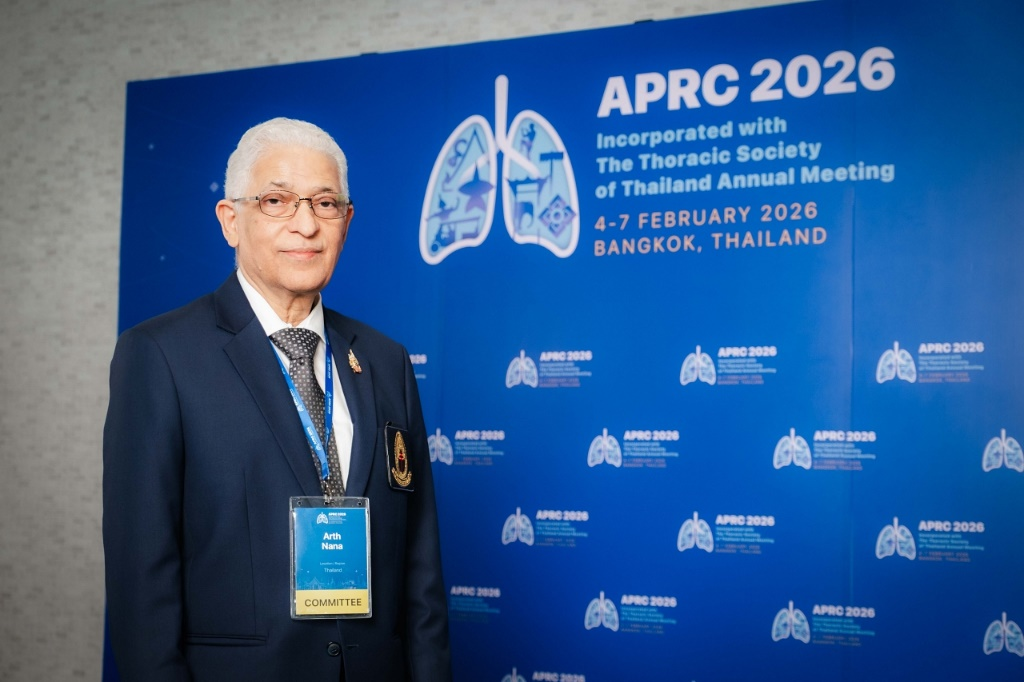
Prof. Em. Dr. Arth Nana, Conference President and Chairman of APRC 2026 and President of the Anti-Tuberculosis Association of Thailand under Royal Patronage, discussed the challenges of combating TB, "Tuberculosis remains a persistent health challenge in Thailand and globally. This year's APRC conference gathered participants from 36 countries to share experiences and strategies. The main challenge is that half of TB patients remain undiagnosed and untreated, making screening programs essential."
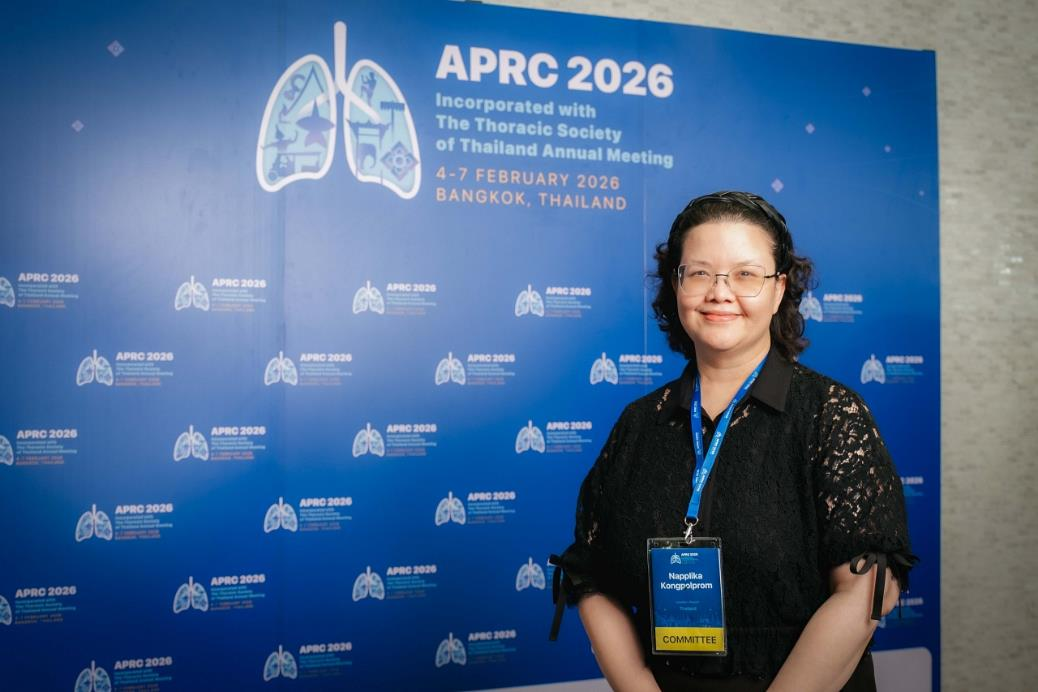
Asst. Prof. (Special) Dr. Napplika Kongpolprom, Co-Chairperson, Scientific Program Committee of APRC 2026, and Academic Committee of the Thoracic Society of Thailand under Royal Patronage, emphasized long-term efforts in TB elimination, "APRC 2026 provided a valuable platform to exchange global advances in screening, diagnostic, and treatment. The priority now is sustained programs that enable better patient access to TB diagnosis and treatment. With continuous screening efforts, Thailand can eliminate tuberculosis in the near future."
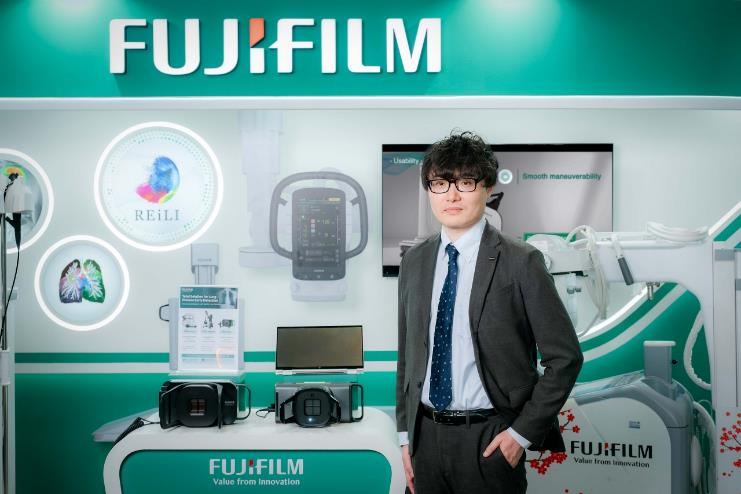
Mr. Takuma Otsuka, Head of Global Marketing and Global Health, Modality Solution Division, Medical Systems Business Division, FUJIFILM Corporation, shared, "Fujifilm's unique value proposition is patient-centered innovation designed to improve safety, comfort, and clinical confidence. Our low-dose imaging innovation reduces unnecessary radiation exposure, which is critical for large-scale screening programs such as factory worker health checks or community screening events and repeat follow-ups for patients requiring long-term monitoring. This technology maintains reliable image quality and efficient workflows, enabling earlier diagnosis and better patient care even in mobile screening units deployed to remote areas."
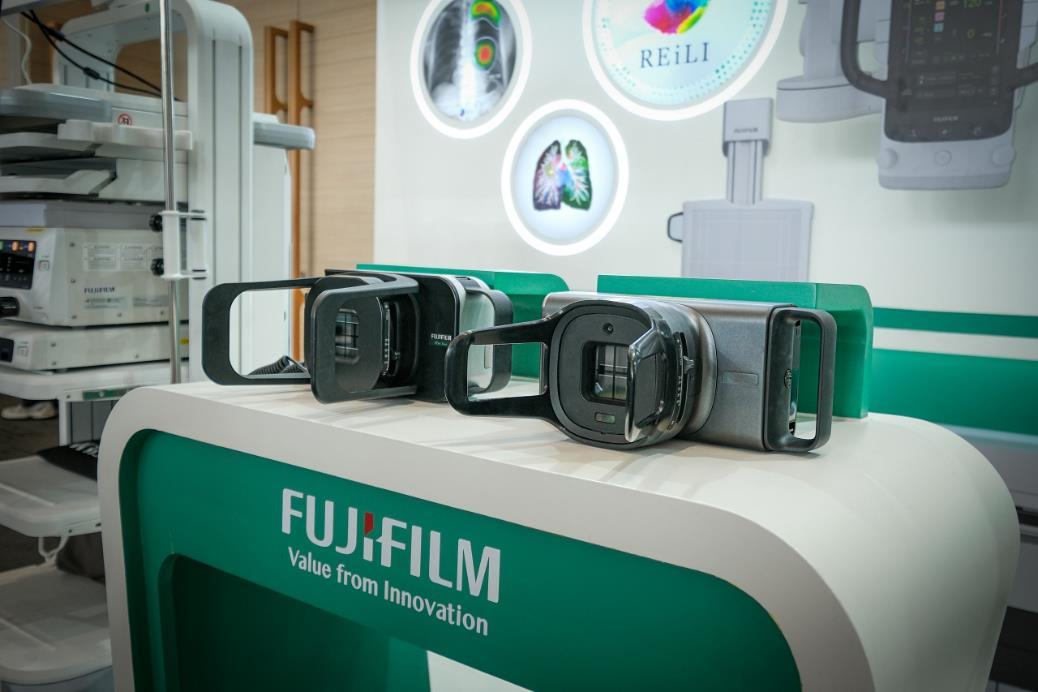
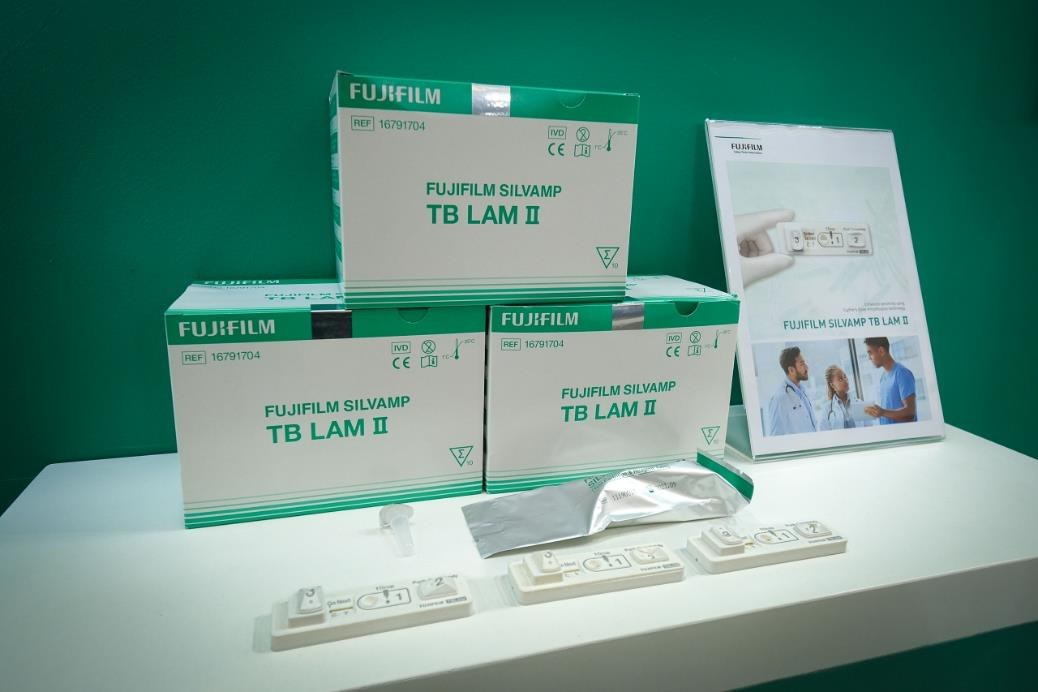
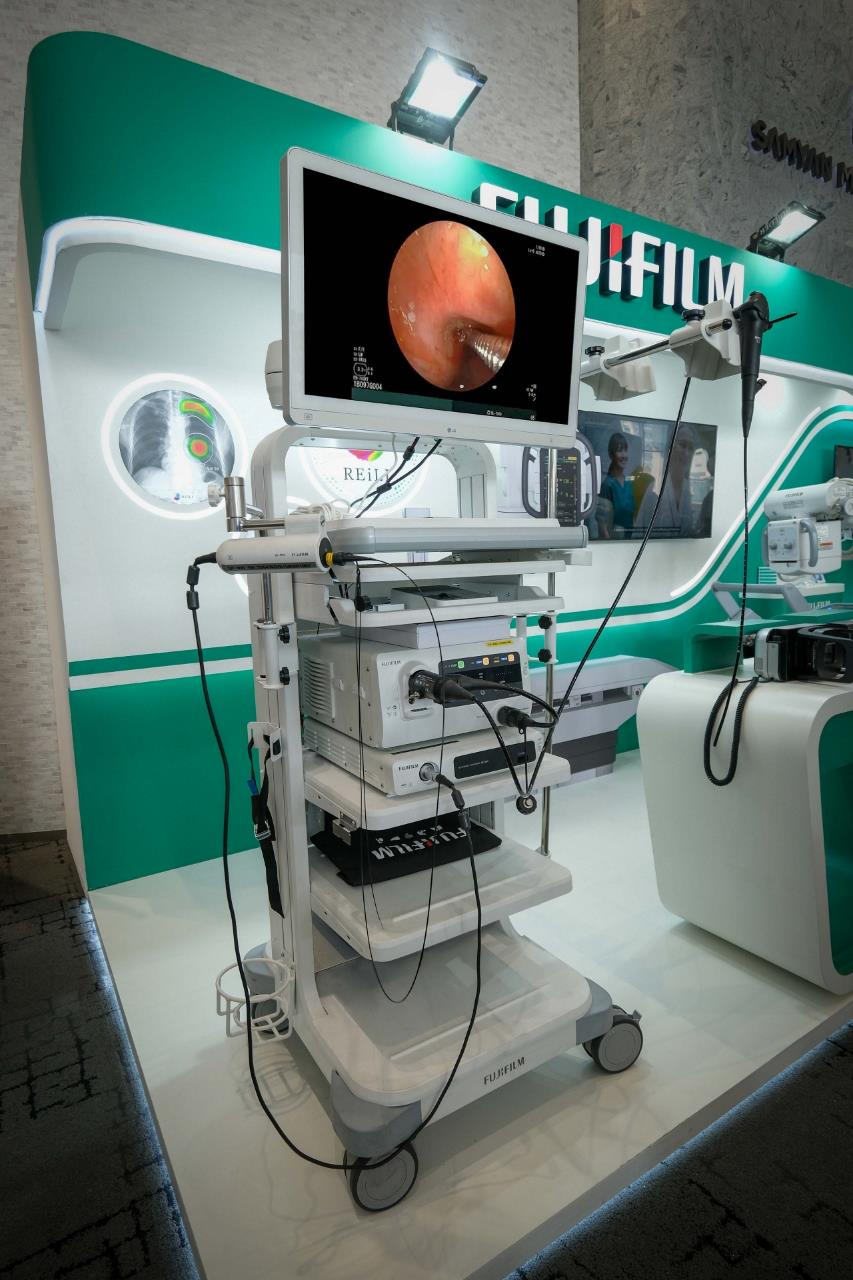
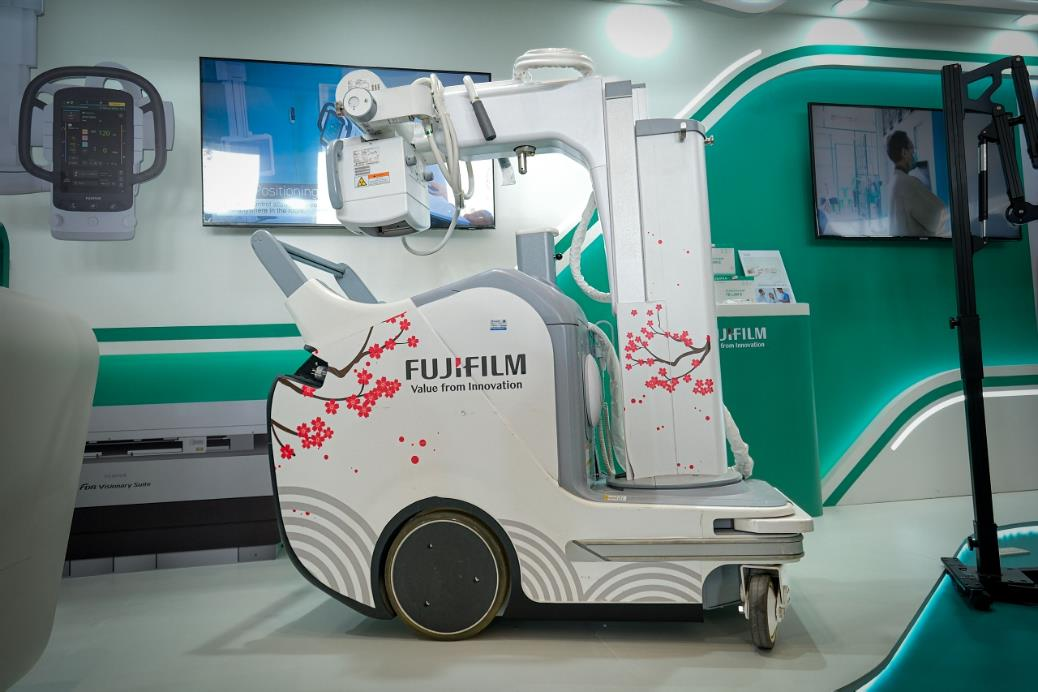
Fujifilm’s total healthcare solutions enable clinicians to bring diagnostic capability closer to patients, contributing to the reduction of health inequities and increasing access to timely diagnosis and treatment.
- The AI-assisted digital X-ray systems enable faster, more accurate screening for lung cancer and TB, supporting frontline doctors and radiographers by highlighting subtle abnormalities that may be difficult to detect, helping reduce missed diagnoses and accelerating referrals for further care.
- For vulnerable populations, the TB-LAM urine rapid test provides swift, precise TB detection in people with HIV where chest X-ray or sputum testing is often limited, offering enhanced accuracy and efficiency while providing safe and rapid screening and enabling rapid screening at community health centers and HIV clinics without requiring advanced laboratory facilities.
- Bronchoscopes bridge screening and treatment by enabling direct airway visualization for precise diagnosis of lung cancer, TB, and complex lung diseases, supporting early lesion assessment, biopsy and targeted sampling when imaging alone is insufficient. This enables faster treatment decisions and minimally invasive intervention, turning screening results into timely clinical action.
From mobile community screening to advanced hospital procedures, Fujifilm supports Thailand's national lung health strategy and END TB campaign through practical solutions that expand access to early detection beyond traditional hospital settings, especially in outreach programs and public health initiatives.
Dr. Phalin Kamolwat, Physician - Advisory Level of the Department of Disease Control and Director of the Office of Global Fund Project Administration of Thailand, Secretary-General of The Anti-Tuberculosis Association of Thailand Under the Royal Patronage of H.M. The King and Conference Secretariat of APRC 2026, emphasized cross-sector collaboration, "TB is a societal disease requiring multi-sector cooperation. Thailand remains among the high-burden countries, with over 100,000 patients annually. The main challenge is reaching community patients, especially those without symptoms. Mobile X-ray units help expand screening access. If all sectors collaborate, we can end TB in Thailand within 5 to 10 years."
Mr. So Maruo, Managing Director, FUJIFILM (Thailand) Ltd., said, "TB and lung diseases remain major public health challenges, especially for vulnerable communities. At Fujifilm, our vision is to be a long-term healthcare partner. We believe early detection saves lives, and our role is to help healthcare systems reach people earlier, diagnose more accurately, and act in time. For public health, speed and access matter most. Technology must work not only in hospitals but also in communities. The key to scaling early detection is access. Through portable imaging, rapid testing, and technologies that work beyond traditional hospital boundaries, we can help improve outcomes for lung disease and TB in Thailand."
Fujifilm remains committed to long-term collaboration with public health authorities and medical professionals to expand access to early detection and support a healthier Thai society, aligned with the Fujifilm Group Purpose of "Giving our world more smiles".