


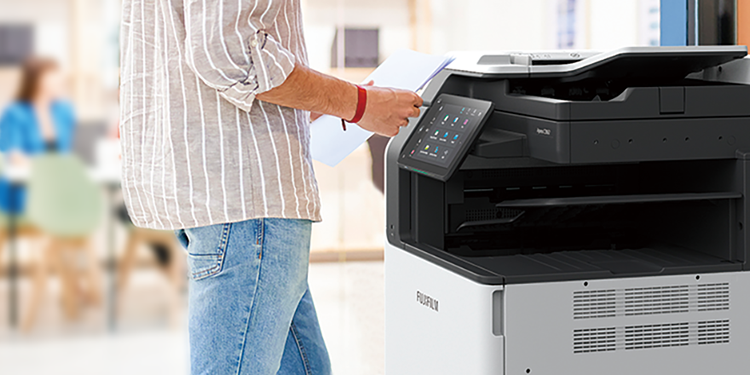
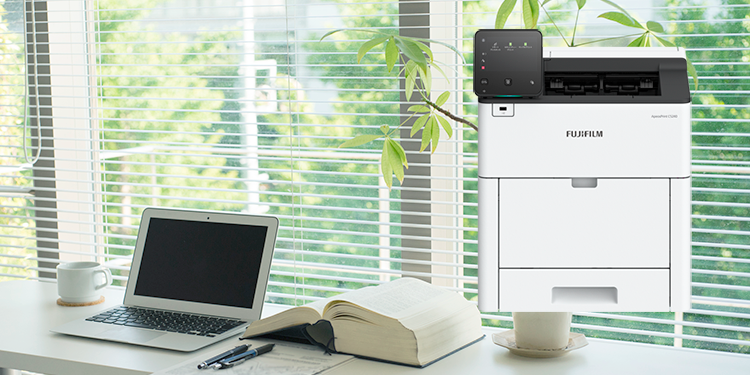


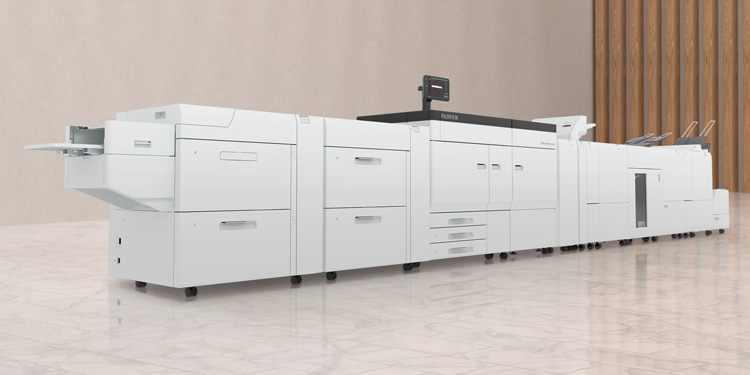







When it comes to office equipment, “new” is often seen as the default choice. But what if businesses could get the performance they need while reducing the demand for new resources? That is the thinking behind remanufactured machines: extending the value of existing equipment through a structured process that restores quality, reliability and purpose. At Fujifilm Business Innovation’s Circular Manufacturing Center (CMC) this idea is put into practice through a resource circulation approach built on decades of reuse and recycling expertise. “Since establishing its Resource Circulation System in 1995, Fujifilm has continued to advance technologies that support a 99.5% recycle rate—bringing the company close to zero waste.” The center is powered by local capability. Around 50 local personnel have undergone comprehensive training through skill transfer from Fujifilm’s headquarters, helping ensure that every remanufacturing step meets strict quality and reliability standards. This investment supports the center’s operations while contributing to workforce development, job creation and sustainable business growth in the Philippines.
The Circular Manufacturing Center (CMC) is located within Fujifilm Optics Philippines, a Fujifilm Group manufacturing site with advanced capabilities developed through the assembly of precision equipment such as interchangeable lenses for digital cameras. This gives the center access to skilled personnel with deep experience in assembly techniques and quality control — an important foundation for remanufacturing machines that require high-precision manufacturing technology.
The Philippines also offers a strategic advantage within Asia Pacific (APAC). Positioned near the center of the region, it supports efficient logistics and supply chains for machines collected across APAC. Together with Fujifilm’s Resource Circulation System, the CMC strengthens regional collection, recycling and supply cycles while supporting Fujifilm’s broader goal of reducing natural resource input and CO₂ emissions.
At the Circular Manufacturing Center (CMC), machines collected from across Asia-Pacific are remanufactured through a carefully controlled process designed to extend the value of used machines without compromising on quality.
Each remanufactured machine undergoes rigorous inspection and quality assurance processes comparable to newly built printers, helping ensure that customers receive equipment that meets high standards of performance and reliability.
The process is based on manufacturing practices established at Fujifilm’s remanufacturing site in Japan and adapted for the Philippines CMC through training and skill transfer.
- Collection and assessment: Used machines are collected from across the APAC region and evaluated to determine which parts can be reused, repaired or responsibly recycled.
- Disassembly and parts sorting: Machines are carefully taken apart, with components sorted according to their condition and suitability for reuse.
- Cleaning, repair and replacement: Reusable parts are thoroughly cleaned and restored, while components that no longer meet Fujifilm’s standards are responsibly recycled and replaced.
- Reassembly: The machine is rebuilt using a combination of restored and new parts, bringing it back to a reliable working condition that is ready to meet stringent quality standards.
- Final inspection and product renewal: Each remanufactured machine undergoes the same inspection process as newly built machines. Once completed, the machine is provided as a new product, with its usage history reset and new manufacturing date, product name, product code and serial number assigned.
This structured approach is what sets remanufactured machines apart from ordinary used equipment. Rather than simply extending the lifespan of a printer, Fujifilm restores and tests each machine through a controlled process designed to deliver dependable performance, reduce the need for new resources and support a more sustainable way of managing workplace technology.
Remanufactured printers are carefully designed devices that extend the value of existing hardware while delivering the performance and reliability businesses expect from modern workplace technology. For organizations looking to make more responsible purchasing decisions, they offer a practical way to support sustainability goals without compromising everyday productivity or user satisfaction.
- Lower CO2 emissions: Across the product lifecycle, from manufacturing and transportation to customer use, remanufactured printers can help reduce carbon emissions by up to 37%. This is achieved by reducing the need for raw material extraction and energy-intensive manufacturing processes.
- Greater energy efficiency: These printers use advanced electrification controls that power only the components needed during operation. This targeted use of energy helps conserve power, improve convenience and contribute to lower operational costs.
- Less waste through parts reuse: With a parts reuse rate of approximately 84% by weight, remanufactured printers help reduce landfill waste by keeping more components in circulation. Parts that cannot be reused are responsibly recycled to minimize environmental impact.
- Quality you can rely on: Each machine is restored, refreshed and tested through Fujifilm’s controlled remanufacturing process, helping ensure performance and reliability comparable to brand-new models.
- A smarter procurement choice: Remanufactured printers allow organizations to choose equipment that aligns with operational needs, environmental responsibility and long-term sustainability commitments.
These benefits are further supported by technologies such as Fujifilm’s Super EA-Eco toner, which fuses at a lower temperature than conventional toner to help reduce energy use during printing. It delivers sharp, consistent output while supporting lower power consumption and reduced CO2 emissions, reinforcing the idea that sustainability and print quality can go hand in hand.
For businesses ready to take a more sustainable approach to workplace printing, FUJIFILM Business Innovation Philippines offers remanufactured printer options designed to deliver dependable performance while supporting environmental responsibility.
Two available multifunction printer options include:
- ApeosPort-VII C5573 R: A remanufactured multifunction printer suited for businesses that require reliable color output, efficient document handling and consistent performance in busy office environments.
- ApeosPort-VII C3373 R: A remanufactured multifunction printer option for teams looking for dependable everyday printing, scanning and copying capabilities while making a more responsible equipment choice.
By choosing remanufactured machines, organizations can reduce waste, lower environmental impact and extend the value of existing resources while continuing to meet everyday workplace demands.
To find out which remanufactured printer best fits your business needs, contact Fujifilm Business Innovation Philippines or speak with a representative to explore available models and suitable solutions for your workplace.