











Climate change is a cause for concern for nations all around the world, due to the physical and transition risks it brings. Australia is no different, as it too faces many challenges. These include increased (in frequency and intensity) bushfires, extreme weather events (such as floods and droughts), coastal erosion, and rising sea levels. In the Working Group report by the United Nations’ Intergovernmental Panel on Climate Change (IPCC), the United Nations’ Secretary-General was quoted as saying, “Nearly half of humanity is now living in the danger zone."
Businesses – both large corporations as well as small and medium businesses – have a part to play in the fight against climate change. They can act as platforms and vehicles, implementing structural changes and employee policies, encouraging grassroots initiatives, and taking action to address natural resource shortages and adopt energy efficiency measures. In this article, we discuss what corporate sustainability is and how companies can play an active role in reducing their impact on the environment.
Corporate sustainability can include a broad range of topics but in general it refers to the actions taken by a business to support a thriving society and a healthy natural environment. Environmental actions can include reducing waste, conserving energy, reuse and recycling of resources, and protecting natural areas and ecosystems from harm.
Companies can take many different approaches to participate. Some initiatives can include purchasing renewable energy, installing renewable energy infrastructure, optimising processes to decrease energy consumption, and development of product stewardship schemes. Businesses can also educate and engage with their staff to encourage them to conserve energy and reduce the environmental footprint at associated with their work. Whatever approach you choose, environmental sustainability should be a part of a company’s list of key goals.
Australia's warmest year on record is repeatedly surpassed due to rising global temperature, which is also linked to more frequent and intensifying extreme weather events. From unrelenting rain, and flood, to heatwaves and bushfires, to mass bleaching of the Great Barrier Reef, Australia has not been spared the frightening and devastating effects of climate change. This has ramifications on our health, biodiversity and economy, with industries including agriculture and tourism facing direct impacts. In September last year, the Australian government enshrined in legislation a new Carbon emissions reduction target of 43% (below 2005 levels) by 2030 and net zero emissions by 2050.
While this is an improvement on previous targets, the Climate Council and others indicate that emissions should be reduced more rapidly and preferably by up to 75% by 2030 to enable global warming to be limited to 1.5 degrees Celsius. Australian businesses are pivotal in this fight. Implementing strategies that reduce emissions this decade can help to address climate change. In corporate sustainability initiatives, they have the power to drive change.
Many companies already have programs in place to save energy and reduce waste. Efforts such as the following help cut down on emissions:
Invest in technologies with lower environmental impact
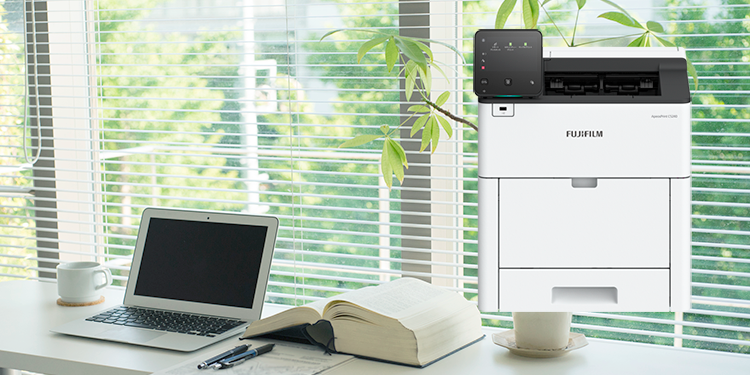
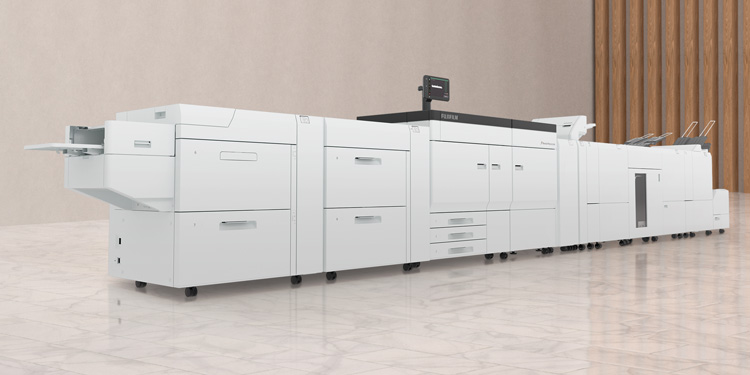
Purchase equipment that uses natural resources more efficiently, generates less waste, and operates with reduced environmental impact. For example, if your office engages in heavy printing, investing in a high-end printer that operates on less power can help reduce your energy consumption levels.
Collaboration with your supply chain
From procuring resources to manufacturing products to shipping them to consumers, businesses need to identify lifecycle stages where environmental footprint is the most pronounced. Choose a partner with suppliers and logistics companies that has taken steps to mitigate the related environmental impact can in turn help manage your businesses indirect lifecycle emissions.
Adopt intelligent digital technologies
By integrating digital collaboration and document management solutions and tools, you can go paperless whilst enabling the sharing of information and files and facilitating collaboration. Smart technologies also allow you to measure and track environmental footprint, which helps you make informed decisions about corporate sustainability. With these, you can also make optimal use of resources.
Partner with FUJIFILM Business Innovation to Reduce Your Carbon Footprint
FUJIFILM Business Innovation Australia offers a suite of solutions that help businesses achieve higher work efficiency, both in terms of productivity and from environmental standpoint.
Our energy management solutions provide companies with data insights and systems that make it possible to ensure sustainability is a key goal. With our on-demand print solutions, you print only when required. You can also configure the settings of your devices so that sleep mode is activated, saving energy.
We also actively explore technological innovations and offer business printing solutions that use energy efficiently. Our EA-Eco toner enables a lower fusing temperature, reducing overall power consumption by over 40% relative to conventional toner. This ultimately leads to reducing carbon dioxide emissions associated with electricity use during print, to a minimum, even when printing in high volumes.
In addition, we have a commitment to "zero waste" for used devices and consumables and endeavour to achieve a resource recovery rate of 99.5% for these items. Customers can return their used parts and consumables, such as ink cartridges and toners, to us. Through our OfficeCare Cartridge Recovery Box. In partnership with our appointed licensed recyclers, any product we recover from customer sites are subsequently dismantled, cleansed, and inspected for opportunity for reuse, before sending it for downstream recycling.
Learn more about how FUJIFILM Business Innovation’s range of business solutions and products can help to meet your sustainability goals. Contact us today to speak to our representatives.