


Since its establishment, Fujifilm has been keenly aware of the benefits that nature bestows on us in all of our business activities, as well as of the impact our businesses have on nature. This is why we emphasize the importance of protecting biodiversity and the environment. In contributing to building a sustainable society through our business activities, we believe that a nature-positive attitude (preventing loss of ecosystems and restoring them) is a priority social issue and have set out policies that will serve as the basis of this belief. We are engaged in a range of activities in line with these policies.
To achieve the 30by30 target*, the Japanese government launched a program in 2023 to certify areas where biodiversity is conserved through the efforts of companies and others as Nature Symbiotic Sites. In April 2025, this certification program was officially enacted as law under the Act on Promoting Activities to Enhance Regional Biodiversity in Japan.
As of December 2025, two sites of FUJIFILM group have been certified as Nature Symbiotic Sites.
- * 30by30 target aims to conserve at least 30% of land and sea areas by 2030.
(Minamiashigara City, Kanagawa Prefecture)
This forest, primarily owned by Fujifilm, is located near the Ashigara site of Kanagawa Factory. Within the forest, spring water flows and enabling the existence of diverse species.
Since our founding in 1934, we have utilized this spring water in the production of photographic film and display materials.
Through continuous conservation efforts for the forest and spring water with local stakeholders, and by maintaining operations focused on reducing environmental impact, the trees have now grown large. This supports an ecological pyramid, with carnivorous animals like owls at the apex.
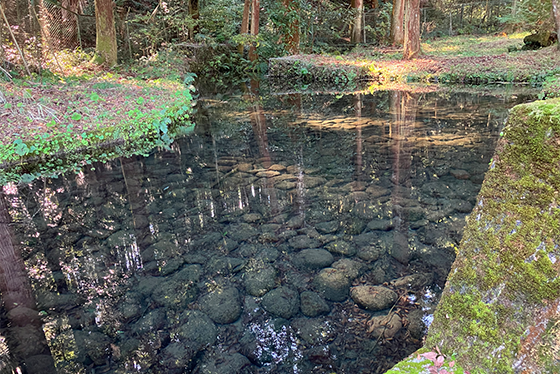
Spring water in the forest
Additionally, the second water source, “Seizaemon-jigokuike spring pond” is ‘Geosite’ within Hakone Geopark. Its spring water has been selected as one of the “100 Famous Waters of the Heisei Era.” The legend of Seizaemon, who searched for water for the community, lives on here. Along with Kano Itsukushima Shrine on the island and Benzaiji Temple by the pond, it is a place cherished by local residents. Fujifilm has conducted environmental conservation activities in the surrounding area together with stakeholders, led by local residents, and has also sponsored traditional events held in nature, such as summer festivals.
While continuing conservation activities to maintain the aforementioned ecosystem, we will also continue to sponsor cultural services through local traditional events.
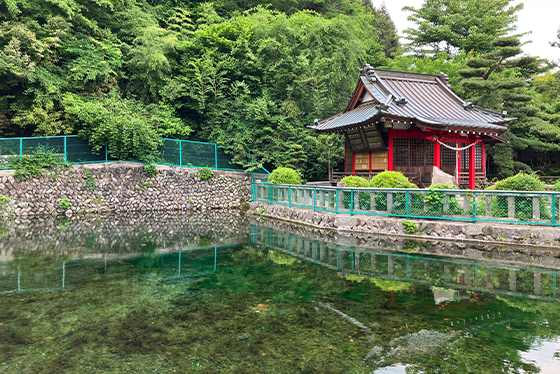
Seizaemon-jigokuike spring pond
Forests composed of secondary forests and plantations feature multiple springs, with diverse species thriving along the edges of springponds, within the water, and among or beneath the trees.
This forms an ecological pyramid, with carnivorous animals like owls that nest in tree cavities at the apex.
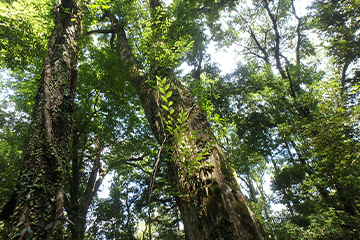
Japanese white oak and Zelkova
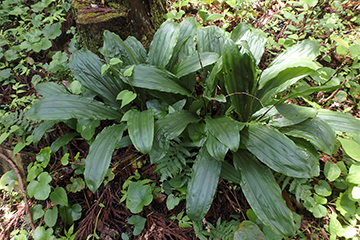
Calanthe discolo
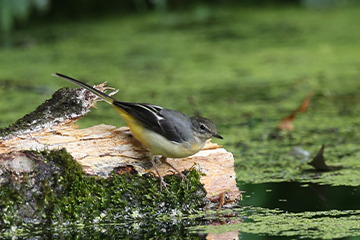
Motacilla cinerea
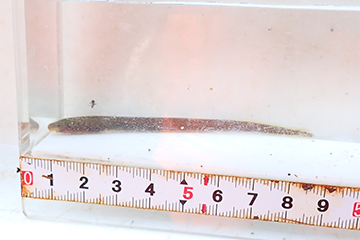
Lethenteron mitsukurii
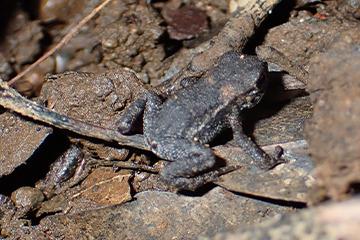
Bufo formosus
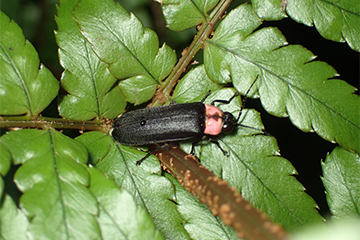
Nipponoluciola cruciata
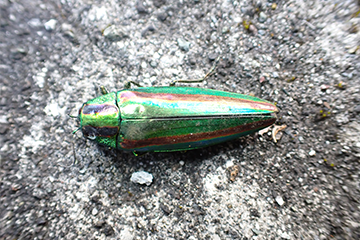
Chrysochroa fulgidissima fulgidissima
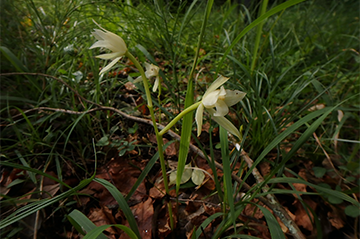
Cymbidium nipponicum
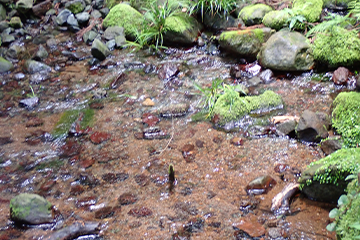
Hildenbrandia rivularis
(Fujinomiya City, Shizuoka Prefecture)
Within our Fujinomiya factory, cool, refreshing spring water originating from Mount Fuji emerges from multiple locations and flows into the Shimizugawa River.
This water nurtures aquatic plants like Veronica undulata and Ranunculus nipponicus, which thrive exclusively in such cool springs, fostering a rich river-centered ecosystem.
This ecosystem includes fish such as Cottus pollux and Jesogammarus fluvialis, as well as birds like ducks and herons. Additionally, parts of the green space feature a landscape resembling natural forest, with evergreen broadleaf trees like Chinquapin oak and ring-cup oak. Rare plants have been confirmed growing on the forest floor.
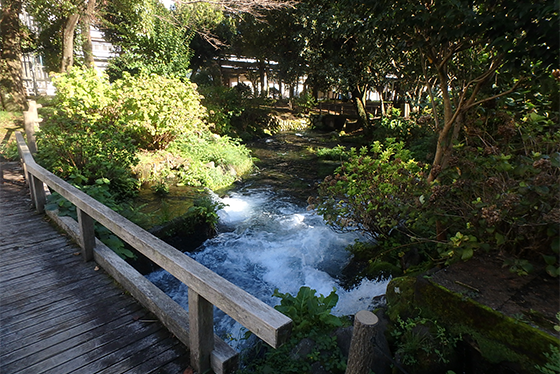
Shimizu River
Our company developed a walking path along the Shimizugawa River in 2006 and named it the “Fujifilm Iyashi-no-Komichi” in 2016.
Our employees enjoy and utilize these natural areas for recreation while also conducting voluntary cleanup activities and conservation efforts, such as removing invasive plants to conserve rare species.
We will continue these conservation activities and also provide opportunities for factory visitors to experience the importance of local biodiversity.
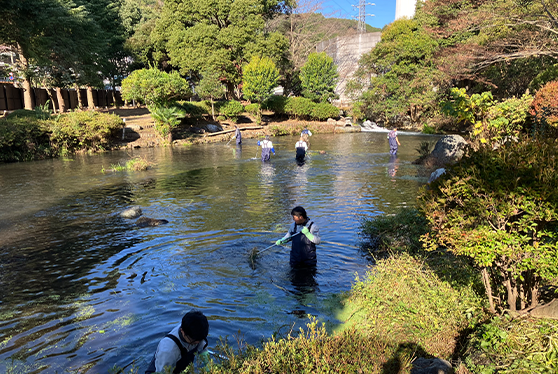
Volunteer cleanup activities by employees
- * The cool spring waters converging in the Shimizu River and the forested areas along its banks are home to a diverse array of species. Predatory animals such as herons, which fly in from nearby areas to hunt these creatures, stand at the apex of the ecological pyramid.
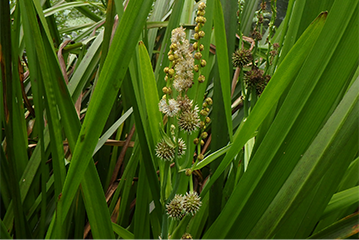
Sparganium erectu
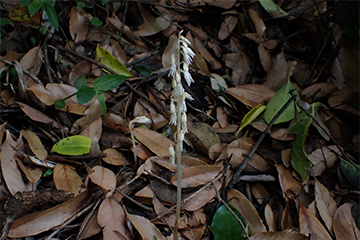
Epipogium roseum
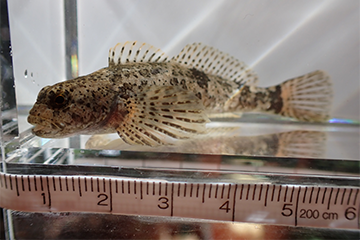
Cottus pollux
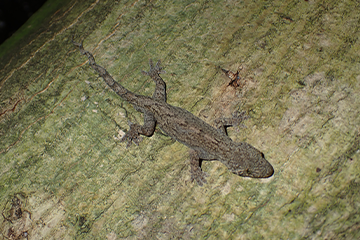
Gekko japonicus
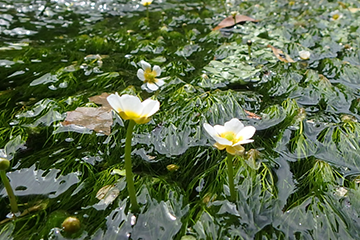
Ranunculus nipponicus
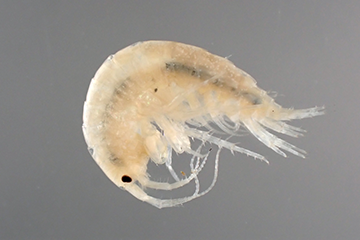
Jesogammarus fluvialis
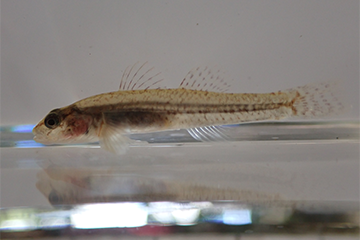
Rhinogobius flumineus
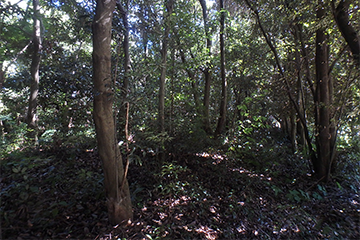
Chinquapin oak and ring-cup oak
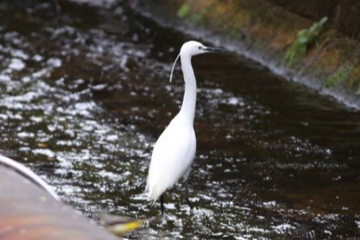
Egretta garzetta
This certification established by the Secretariat of the Headquarters for Water Cycle Policy is awarded to companies actively implementing measures related to water cycles in Japan.
As of December 2025, one sites of FUJIFILM group have been certified as Water Cycle ACTIVE Company.
(FUJIFILM MATERIAL MANUFACTURING CO., LTD. Division 8 / Kumamoto)
The Kumamoto region, which includes Kikuyo Town in Kumamoto Prefecture, the location of the FUJIFILM MATERIAL MANUFACTURING CO., LTD. Division 8 (Kumamoto), where display and semiconductor materials are produced, is rich in water resources. In this region, often referred to as the Kumamoto area (comprising Kumamoto City and surrounding municipalities), most of the water used for daily life comes from groundwater. One of the reasons for the abundant groundwater is the rice fields in the middle reaches of the Shirakawa River, spreading from the foot of Mount Aso to Kikuyo Town. These rice fields allow large amounts of water to seep into and replenish the groundwater. Recently, the influx of semiconductor-related companies into Kyushu, known as Silicon Island, has been accelerating. As a result, the anticipated increase in groundwater extraction underscores the growing importance of groundwater conservation in Kumamoto Prefecture to support both daily life and industry.
At this site, activities aimed at protecting groundwater are being carried out, such as planting and maintaining groundwater recharge forests and preserving recharge rice fields. Employees and their families participate in tree planting, rice planting, and rice harvesting activities.
Additionally, the site is engaged in efforts to reuse rainwater in the production process. Specifically, in the manufacturing of optical films, rainwater that has been sterilized and filtered is used as cooling water, one of the largest consumers of water (groundwater) for cooling, steam production, and process cleaning. This helps to reduce the extraction of groundwater. The site also focuses on reusing the groundwater and rainwater it consumes, achieving a reuse rate of nearly 60% in FY 2023.
FUJIFILM MATERIAL MANUFACTURING CO., LTD. was recognized for its ongoing activities to recharge groundwater and other related efforts, and in 2024, it was certified as a “Water Cycle ACTIVE Company” by the Water Cycle Corporate Registration and Certification System, established by the Secretariat of the Headquarters for Water Cycle Policy. This certification is awarded to companies actively implementing measures related to water cycles in Japan.
Looking ahead, we will continue to conserve our limited water resources and contribute to the maintenance of a rich natural environment.

Rice planting activities in groundwater recharge fields

Equipment for reusing rainwater within the site


