


The content on this page is intended to healthcare professionals and equivalents.
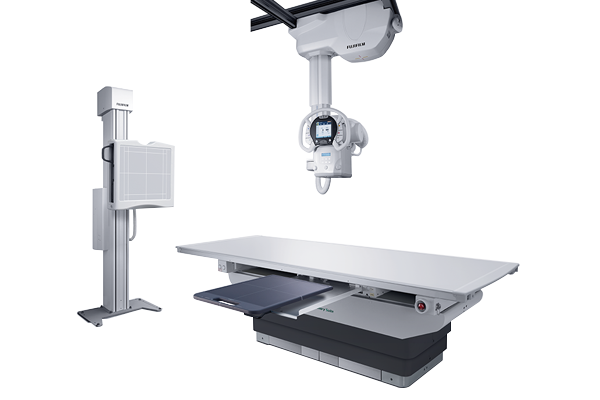
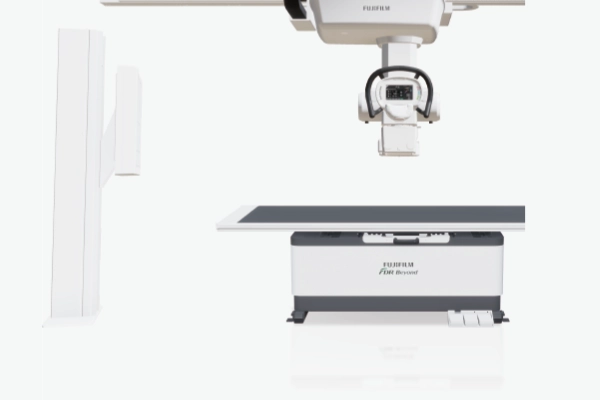
FDR D-EVO Ⅲ*1*2
A high-end model in the D-EVO series, combining lightweight design, high image quality, durability, mobility, and ease of use.
- *1 Fluoroscopy capability is enabled when used in combination with FDR Beyond.
- *2 The C35i FPD can be positioned vertically or horizontally depending on the examination requirements.
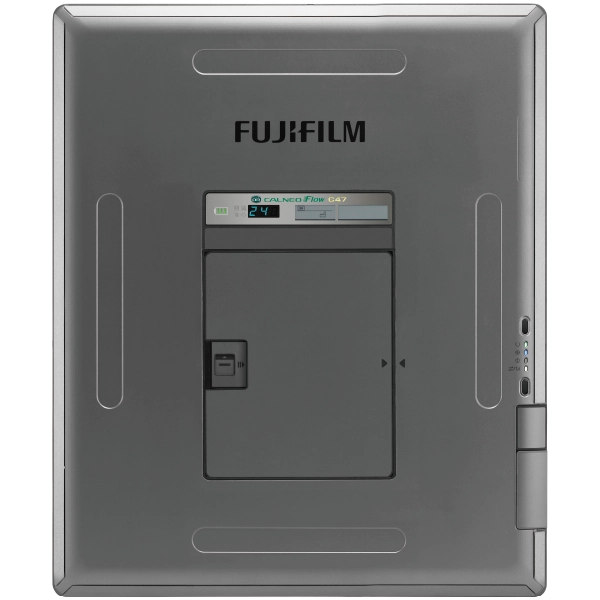
D-EVO Ⅲ C35i
(14 x 17 inch model)
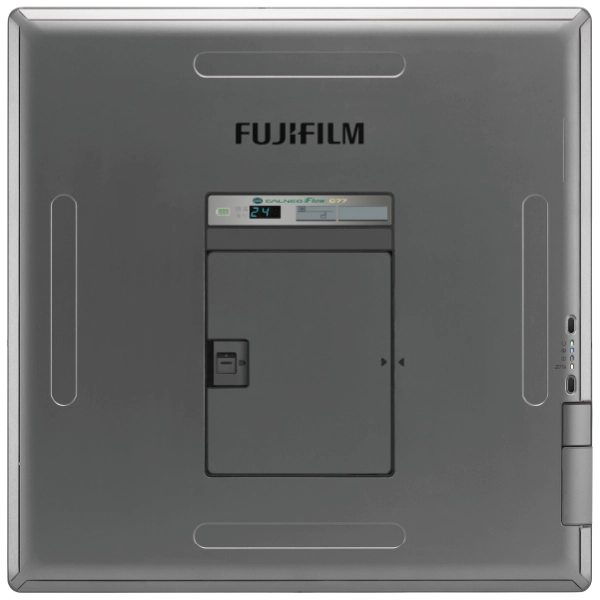
D-EVO Ⅲ C43i
(17 x 17 inch model)

FPD for Radiography and Fluoroscopy:FDR D-EVO III
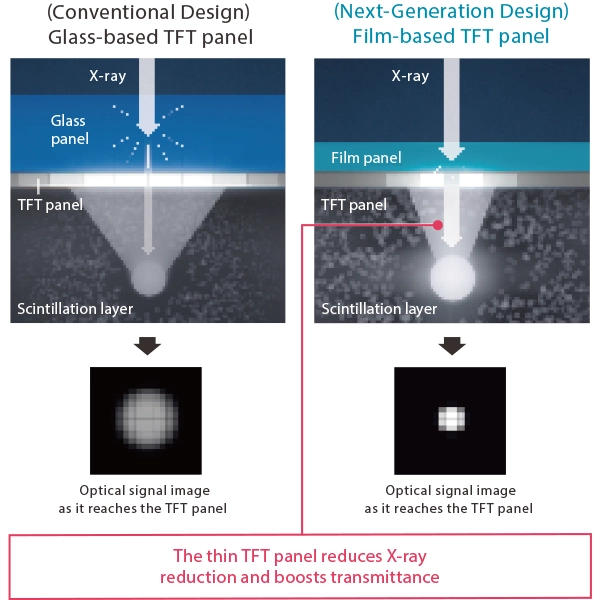
Delivers high-quality radiographic and fluoroscopic images with low radiation dose. The indirect-conversion FPD uses the ISS method, where the light sensor (TFT sensor) is attached to the irradiation side, the opposite side to that used for a conventional FPD. This coupled with a flexible film sensor TFT panel instead of the traditional glass TFT provides significantly reduced scattering/reduction of X-ray signals, in turn producing sharper images with lower X-ray dose.
X-ray transmittance is improved by using thin film for the TFT panel instead of glass. This helps to achieve high resolution images with low X-ray dosage. Fujifilm's proprietary ISS method further enhances the benefits of flexible sensors.
Waterproofed, dust-proofed and innovative structure design gives piece of mind in tough medical environments.
- *3 These effects cannot always be guaranteed in the future for its product characteristics.
The FDR D-EVO III detectors are coated with Hydro Ag antibacterial coating, which has an antibacterial effect 100 times greater than that of conventional Ag coatings. This longer-lasting higher intensity antibacterial effect prevents bacterial growth. A hyper-hydrophilic binder allows easy cleaning and hygienic use, together with the easy-to wipe flat design of the detector.
- *4 Due to the characteristics of the product, the effect is not guaranteed in the future.
Low dose High definition.
Go beyond Low dose
Achieving both low radiation dose and high image quality has long been a key expectation in clinical practice. Today, the challenge extends beyond just reducing patient exposure, to encompass the reduction of occupational exposure for medical professionals as well. Fujifilm sees this as a critical part of its mission and has consistently and sincerely developed technologies supporting dose reduction. In collaboration with clinical experts, Fujifilm has introduced imaging and dose management solutions that reflects this commitment.
Consistently Low Dose.
Consistently Stable Performance.
High DQE –
High X-ray Conversion Efficiency
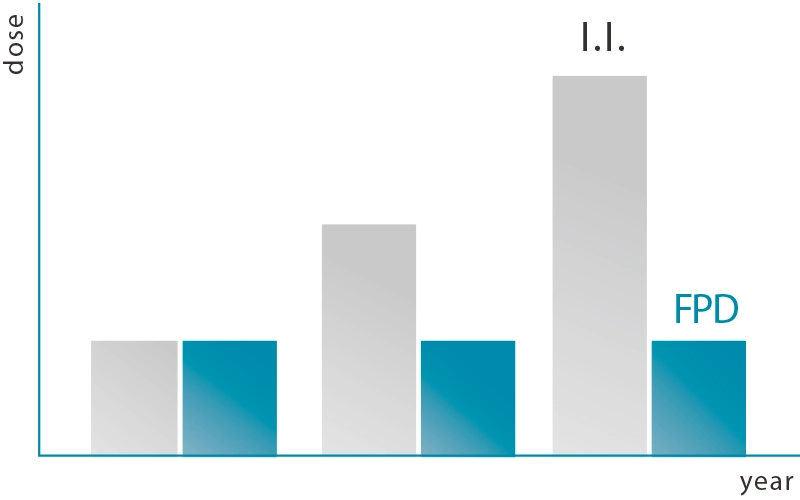
Consistently Low Dose. The key lies in an FPD designed to maintain brightness over time, without requiring additional radiation to compensate for luminance degradation. D-EVO III*5 our ISS technology boasts a high DQE (Detective Quantum Efficiency) , delivering both high sensitivity and stable image quality while helping to maintain a low-dose imaging environment.
- *5 when using the C series
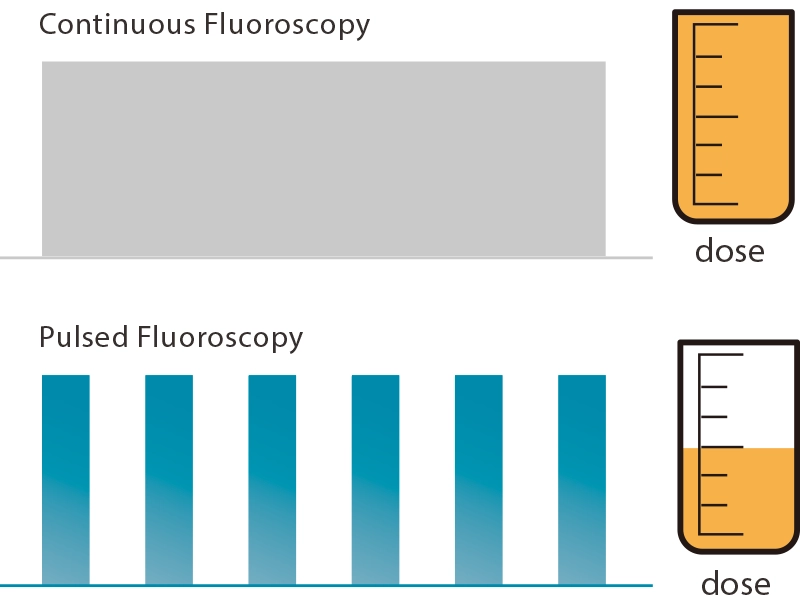
Pulsed Fluoroscopy
Compared to continuous fluoroscopy, pulsed fluoroscopy—which emits X-rays intermittently—can significantly reduce radiation exposure. By combining a pulsed fluoroscopy system with a high sensitivity FPD, patient and occupational dose can be further reduced. The fluoroscopy frame rate is adjustable in four steps: 15, 8, 4, or 2 fps, allowing you to balance image quality and dose according to examination needs.

Dynamic Core Engine X
Fujifilm delivers fluoroscopic imaging with a low radiation dose and minimal afterimages. The image processing technology developed to advance radiographic (still image) imaging now extends to fluoroscopy (dynamic imaging). Fujifilm ensures high-quality fluoroscopic images with its dynamic visualization processing, noise reduction, and additional advanced techniques applied on a frame-by-frame basis.
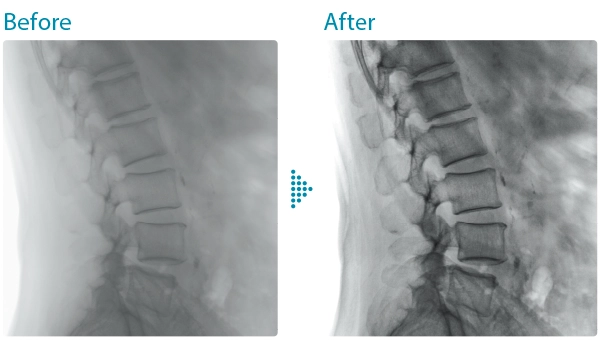
High contrast for both fluoroscopy and radiography
Dynamic Visualization II*6
Differing thicknesses in areas of the body and nearby structures are recognized from converted 3D information, and the contrast and density are adjusted.
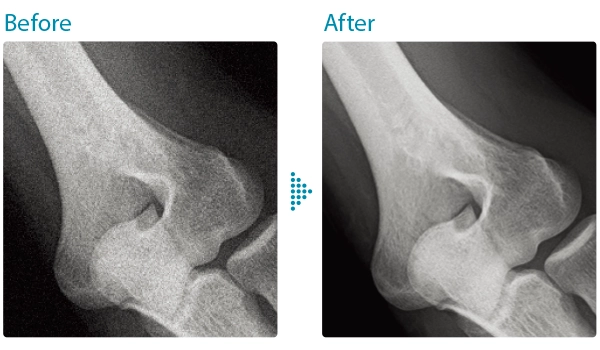
Low noise in both fluoroscopy and radiography
Flexible Noise Control
Unstructured noise components are extracted and reduced to improve the granularity of the image. This enables greater visibility of the subject structure.
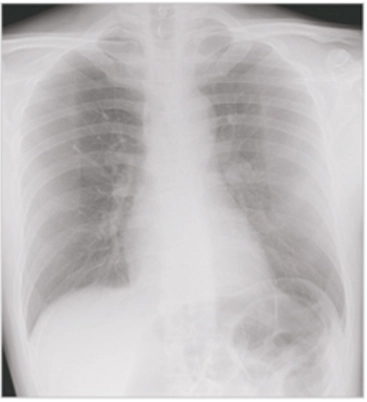
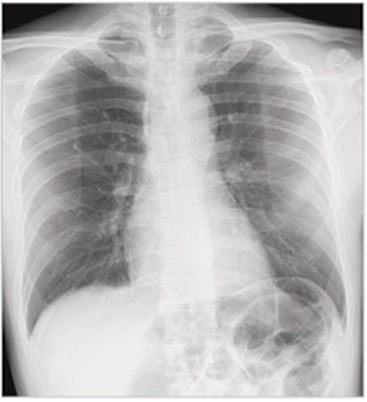
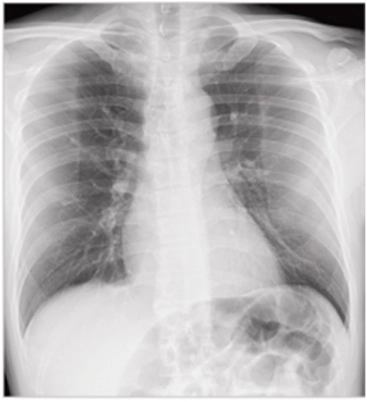
Virtual Grid*6
Provides a high quality image without using a grid
Virtual Grid processing corrects for the effects of scatter radiation. Without the need for a grid, Virtual Grid retains high contrast and image sharpness, while preventing the asymmetric density resulting from misalignment of X-ray tube and detector. (Option)
- *6 option
No Grid
Virtual Grid
Real Grid